








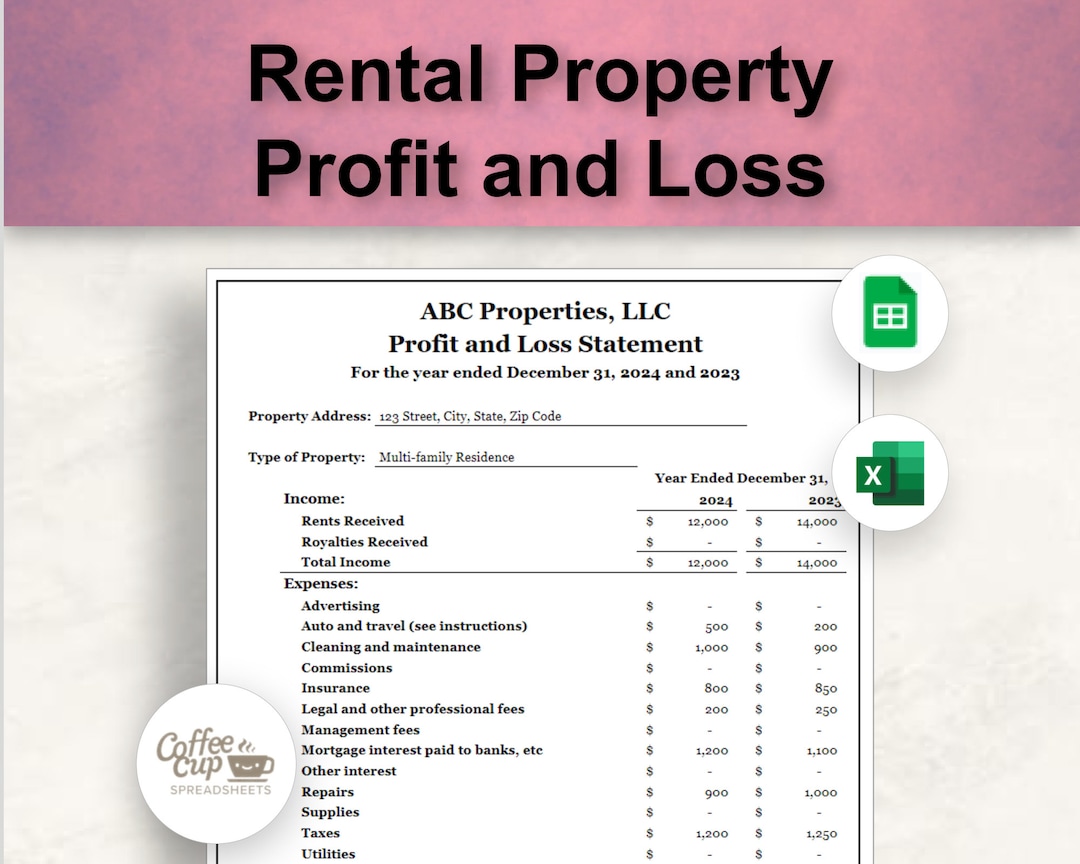
 The profit and loss for rental property industry has experienced explosive growth, with the global equipment rental market projected to reach $1.2 trillion by 2026. This massive expansion brings both opportunities and challenges for rental business owners who must navigate increasingly complex financial landscapes to maximize their returns.
Understanding rental returns through sophisticated profit and loss reporting has become essential for staying competitive. Modern rental businesses that leverage advanced reporting tools consistently outperform those relying on traditional methods, achieving 23% higher profit margins on average.
Real-Time Financial Visibility
Advanced profit and loss reporting tools provide instant access to crucial financial metrics across your entire rental portfolio. This immediate visibility enables quick decision-making when market conditions change or unexpected opportunities arise.
Comprehensive dashboards display key performance indicators including utilization rates, revenue per asset, and maintenance costs in easily digestible formats. These visual representations help identify trends that might otherwise remain hidden in traditional spreadsheet reports.
Automated data collection eliminates manual entry errors while ensuring all financial information remains current and accurate. This reliability becomes particularly valuable during peak rental seasons when transaction volumes increase dramatically.
Enhanced Asset Performance Tracking
Individual asset profitability analysis reveals which equipment generates the highest returns and which items drain resources. This granular insight allows for strategic inventory adjustments that maximize overall portfolio performance.
Depreciation tracking integrated with actual rental income provides clear pictures of asset lifecycle profitability. Understanding these patterns helps determine optimal replacement timing and prevents holding underperforming equipment too long.
Maintenance cost allocation directly to specific assets creates accurate profitability calculations. This precision enables better pricing decisions and helps identify when equipment maintenance costs exceed rental income potential.
Strategic Pricing Optimization
Dynamic pricing analysis compares your rates against market conditions and competitor pricing across different equipment categories. This intelligence supports pricing strategies that balance competitiveness with profitability goals.
Seasonal trend analysis identifies peak demand periods and pricing opportunities throughout the year. Historical data combined with forward-looking projections enables proactive pricing adjustments that capture maximum revenue potential.
Customer profitability segmentation reveals which client relationships generate the highest returns. This insight supports targeted marketing efforts and helps prioritize customer service resources effectively.
Improved Cash Flow Management
Accounts receivable aging reports integrated with profit and loss statements provide comprehensive views of outstanding payments and their impact on overall profitability. This visibility enables proactive collection efforts before payment delays affect cash flow.
Expense categorization and trend analysis identify areas where costs are increasing faster than revenue growth. Early detection of these imbalances allows for corrective action before they significantly impact profit margins.
Budget variance reporting compares actual performance against projections, highlighting areas where results exceed or fall short of expectations. This analysis supports more accurate future planning and resource allocation decisions.
Data-Driven Growth Planning
Market expansion analysis uses historical performance data to evaluate potential new locations or equipment categories. This evidence-based approach reduces risks associated with growth initiatives while identifying the most promising opportunities.
ROI calculations for marketing campaigns and business development activities demonstrate which strategies generate the best returns. This insight helps optimize marketing budgets and focus efforts on the most effective channels.
Competitive benchmarking compares your performance metrics against industry standards, revealing areas where improvements could enhance profitability. This external perspective provides valuable context for internal performance evaluation.
Maximize Your Rental Investment Returns
Smart profit and loss reporting transforms rental businesses from reactive operations into strategic enterprises. The combination of real-time visibility, detailed asset tracking, and predictive analytics creates sustainable competitive advantages that drive long-term success.